
What Causes Noisy Water Pipes
There are various reasons for instance, clogged, hot or cold pipes, washers in taps, fast water pressure. Whatever the noise might be, should be investigated by a professional plumber to ensure your piping is back to working the way it should. Prevention is always better than the cure so getting onto the issue sooner […]
How Can I Find Out Where My Sewer Lines Are?
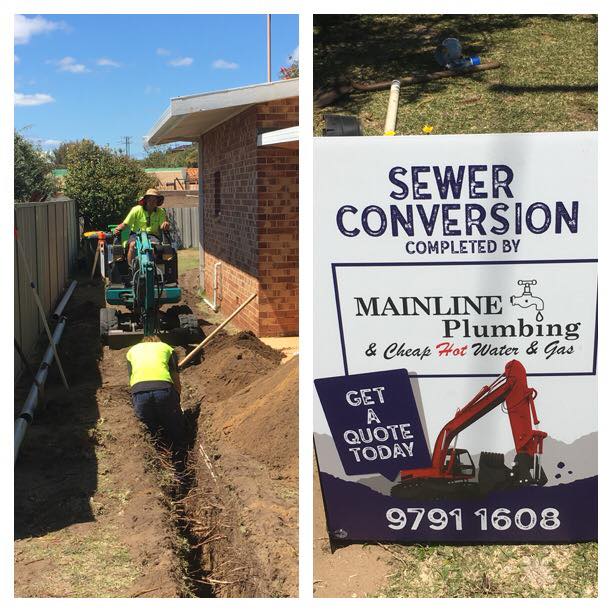
There are a few different reasons to why you may need to know where sewer connections can be found. It is good knowledge to be informed about the locations for any future works that might need doing. When you have moved into a new home or town you might not be aware of where the […]
6 most common plumbing problems
There are different sorts of plumbing requirements that will require assistance from minor taps dripping to gushing water out of burst pipes. It is a good practice to get small maintenance items fixed as soon as possible and ensure pipes and taps are not put under too much pressure causing more damage that could lead […]
Are you Having Trouble with your Sewerage?
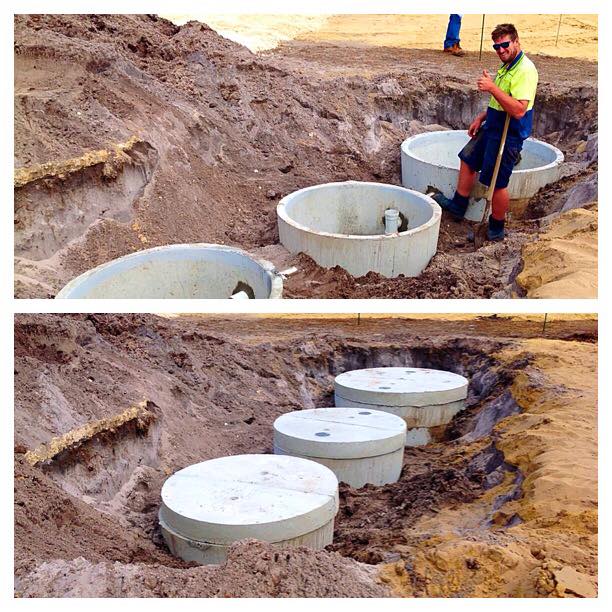
Depending on what kind of septic tank you have will depend on the maintenance that needs to be done. Septic Systems of conventional or standard systems are underwater wastewater treatment systems used in rural or regional areas without a centralised sewer system. If you are not sure what kind of septic system you have, contact […]
Sewerage Conversion in Bunbury
Has the time come for you to convert from septic to deep water sewerage and you are not sure who to call for all of your sewage conversion requirements? Mainline Plumbing and Cheap Hot Water and Gas are the trusted name in sewerage conversion, having converted hundreds of houses across the South West from older […]
Sewerage Connection In Harvey
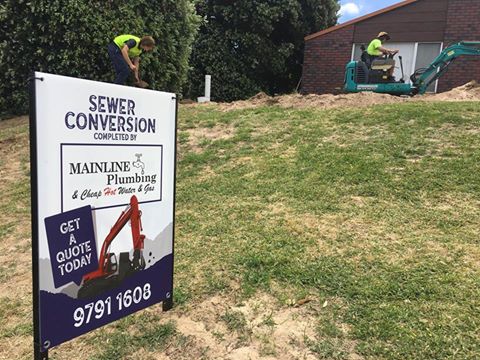
Are you looking at converting from septic to deep water sewerage in Harvey and not sure who to call for all of your plumbing requirements? Mainline Plumbing and Cheap Hot Water and Gas are the trusted name in sewerage conversion, having converted hundreds of houses across the South West from older septic tanks efficiently and […]
Maintaining Your Leech Drains
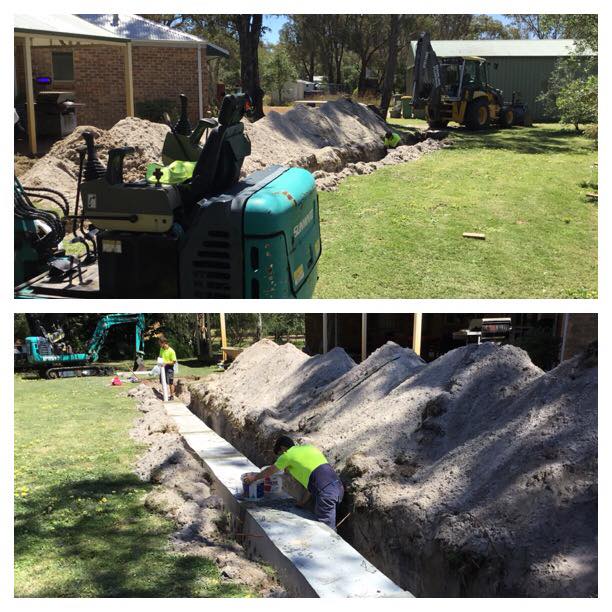
Is your home still connected to a septic tank? Does the Water Corporation’s deep sewage system not run through your area yet? If your home’s wastewater runs to a septic tank on your property, you will have leech drains; large drainage channels running from your septic tank that carry your wastewater from your septic tank […]
How To Convert To Deep Sewerage?
Have you heard all the benefits about converting to deep sewerage but don’t know how to go about it? Do you know your home is eligible to be connected to the deep sewerage system but not sure who to contact, what the process is, or when to organise it to be done? The team at […]