
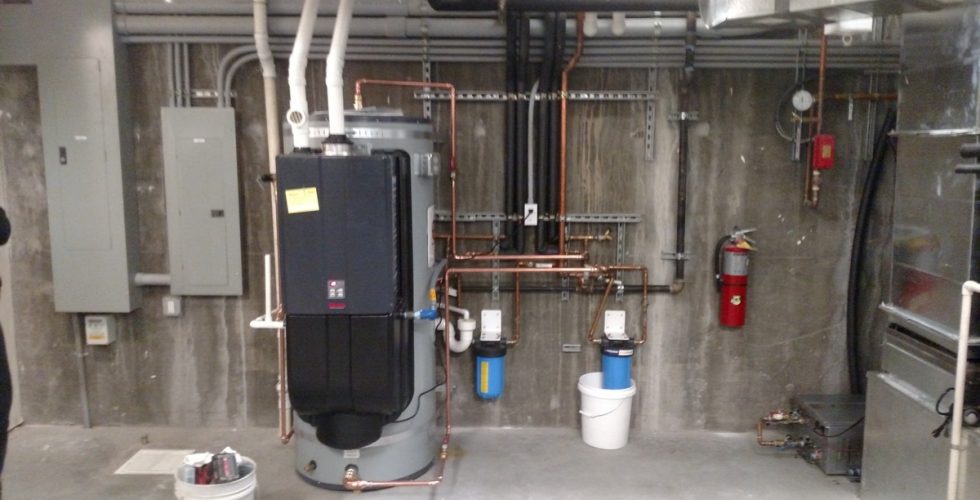
Choosing between gas and electric hot water is not just about the purchase price. Household size, daily hot water use, available space, existing gas or electrical connections and budget can all affect which system suits your home.
Both gas and electric hot water systems are available in storage and instantaneous formats, so there is more to compare than the energy source alone. For homeowners in Bunbury and the South West, understanding the differences can make a new hot water installation or replacement much easier to plan.
How Gas and Electric Hot Water Systems Work
A gas hot water system uses gas to heat water. Storage systems hold heated water in an insulated tank, while instantaneous units heat water as it flows through the system. Mainline works with both gas storage and instantaneous hot water systems.
Electric systems can also use storage or instantaneous technology. Storage units keep heated water in a tank, while instantaneous units heat it on demand. You can compare Mainline’s electric hot water systems for more detail.
Gas Hot Water: Pros and Cons
Pros
- Available in storage and instantaneous options.
- Instantaneous systems can save space.
- Can suit homes that already have an appropriate gas connection.
Cons
- Requires a suitable gas supply and gas plumbing.
- Installation and servicing must involve a licensed gas fitter.
- Storage models need enough room for the tank.
Electric Hot Water: Pros and Cons
Pros
- Available in storage and instantaneous options.
- Suitable for homes without gas.
- Can work well with rooftop solar, depending on the system and usage pattern.
Cons
- The electrical supply must be suitable for the system.
- Storage tanks need adequate space and correct sizing.
- Some instantaneous systems may require electrical upgrades.
Upfront and Running Costs
Purchase and installation costs vary according to the system type, capacity and the work required at the property. Replacing a similar unit is generally more straightforward than changing energy sources, while new gas pipework, electrical upgrades, difficult access or changes to the installation location can increase the overall cost.
Running costs also depend on how much hot water the household uses, local energy prices and the system itself. Rooftop solar or an appropriate electricity tariff can affect the cost of running an electric system, while gas costs will vary according to usage, system efficiency and whether the property uses natural gas or LPG. For this reason, the cheapest system to install is not necessarily the cheapest over its lifetime.
Mainline provides upfront, fixed-quote pricing and sources systems from major brands at wholesale prices. The quote can then account for the system, property and installation work required.
Installation Requirements of Gas and Electric Hot Water Systems
A proper installation starts with checking the services already available at the property.
Gas systems require suitable gas and water connections, an appropriate installation location and, where applicable, compliant ventilation or flue arrangements. In Western Australia, gasfitting work must be carried out by a licensed gas fitter.
Electric systems require suitable water connections and access to the correct electrical supply. Storage systems also need adequate space for the tank, while instantaneous units may have higher electrical requirements despite taking up less room.
As part of a hot water installation, Mainline Plumbing assesses the existing system, available space, household usage and current connections before recommending a replacement. Once installed, the system is tested for temperature, pressure and safety before handover.
Maintenance and Lifespan
Regular servicing can help identify worn components early and keep a system operating safely.
Storage systems may require valve checks and, depending on the tank, periodic replacement of the sacrificial anode that helps protect against corrosion. Gas systems may also need checks of burners, connections and ventilation.
A professional gas hot water service can identify faults affecting the water heater itself. If the home also uses a gas space heater, that appliance has separate components and may require its own gas heater service.
There is no fixed lifespan for every system. Gas water heaters commonly last around 12 to 15 years, while the life of an electric storage unit can vary according to tank construction, water quality, installation and maintenance. Following the manufacturer’s servicing schedule and dealing with leaks, unusual noises or inconsistent hot water early can help the system last longer and reduce the chance of a larger fault developing.
Safety and Reliability Considerations
Gas and electric systems have different safety requirements.
Faulty or poorly maintained gas appliances can create gas leak or combustion risks, including carbon monoxide where combustion gases are not handled correctly. A gas smell should never be ignored.
Mainline Plumbing’s gas inspections include checks of appliances, pipework, gas connections, ventilation and system pressure, along with visible wear and non-compliant installations. Any faults identified are explained before repairs or upgrades proceed.
Electric systems avoid gas-related risks but still combine water and electricity. Electrical faults can create shock or fire hazards, and fixed electrical work must be completed by an appropriately licensed electrician.
Whichever system you choose, professional installation and servicing are important for safe and reliable operation.
Environmental Impact and Energy Efficiency
The environmental impact of hot water depends on the system and the energy source powering it.
Gas systems burn gas directly, producing greenhouse gas emissions. Instantaneous gas units can avoid the heat losses associated with keeping water stored in a tank.
Electric systems depend more heavily on how the electricity is generated. A conventional electric storage system powered from the grid may have a higher emissions footprint than one using a significant amount of rooftop solar.
For households looking beyond conventional gas and electric systems, heat pump hot water systems and solar hot water options may also be worth considering. Eligible heat pump and solar hot water systems may qualify for Small-scale Technology Certificates under the federal scheme. Eligibility depends on the system and installation, so current requirements should be checked before purchasing.
Energy efficiency should therefore be considered alongside household usage, solar availability, installation requirements and purchase price.
Choosing the Best System for Your Home
There is no single winner for every household.
A gas hot water system may suit a home that already has an appropriate gas connection and where the household wants either a storage or instantaneous system without changing energy sources.
Electric hot water systems may make more sense for homes without gas or households that prefer to rely more on electricity, particularly where rooftop solar can contribute to water heating.
Household size and usage also matter. A family using several showers and hot water fixtures around the same time will have different requirements from a one- or two-person household. With storage systems, choosing the correct tank capacity is particularly important.
Mainline Plumbing considers household usage, available space, existing connections and budget before recommending a system. Because the business works with major brands rather than being tied to one manufacturer, the recommendation can be based on what suits the property and household.
Why Choose Professional Plumbing Services for Your System
Mainline Plumbing has serviced Bunbury and the surrounding South West for nearly 40 years, with licensed plumbers and gas fitters working across gas and electric hot water systems.
Mainline installs, repairs, services and replaces both gas and electric hot water systems, with licensed plumbers and gas fitters completing work to Australian Standards. All work carries a five-year warranty. The team also provides broader plumbing services, including leak repairs, blocked drains and renovation plumbing.
Ready to Upgrade Your Hot Water System?
Whether you are replacing an ageing unit or planning a new installation, Mainline Plumbing can assess your household usage, available space and existing connections before recommending a suitable system. Call (08) 9791 1608 for a free quote or book online.